
(Reviewed by JD Jung)
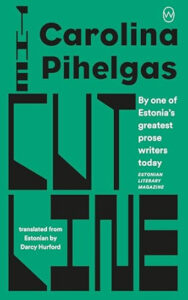
Liine, an Estonian woman in her early thirties, just wants to take control of her life in The Cut Line. At age eighteen, she became involved with a man who was fifteen years older than her. He was controlling and judgmental, just like her mother. Liine has internalized years of criticism, becoming deeply self-judging and uncertain of her own voice. After fourteen years, she finally decided to leave her husband.
In search of distance and clarity, Liine retreats to her family’s small cottage farm, a place tied to her childhood memories and once owned by her great-aunt Elvi. She tends to the farm that has been neglected since her aunt’s departure. This becomes both a physical and emotional space for repair. She uncovers old letters left behind by Elvi, and slowly pieces together her aunt’s life, finding unexpected insight through the past. She hopes that these discoveries will help in her journey toward self-understanding and independence.
The setting plays a crucial role in shaping the tone of The Cut Line. The rural isolation that promises healing is constantly disrupted by nearby military training missions. Daily explosions and gunfire intrude on Liine’s attempt at peace, underscoring one of the book’s central tensions: the limits of personal control. While Liine can choose to ignore her husband’s phone calls and set long-overdue boundaries with her mother, she cannot escape the external forces that shape her world. The military presence and the looming effects of climate change serve as powerful reminders that many threats remain beyond individual choice.
With few friends and little support, Liine’s navigation of her new life feels raw and deeply human. I appreciated the somber setting, its sensitivity toward emotional trauma, and its honest portrayal of a woman learning, imperfectly and bravely, how to live on her own terms.